







Search Results for: coffee bean structure
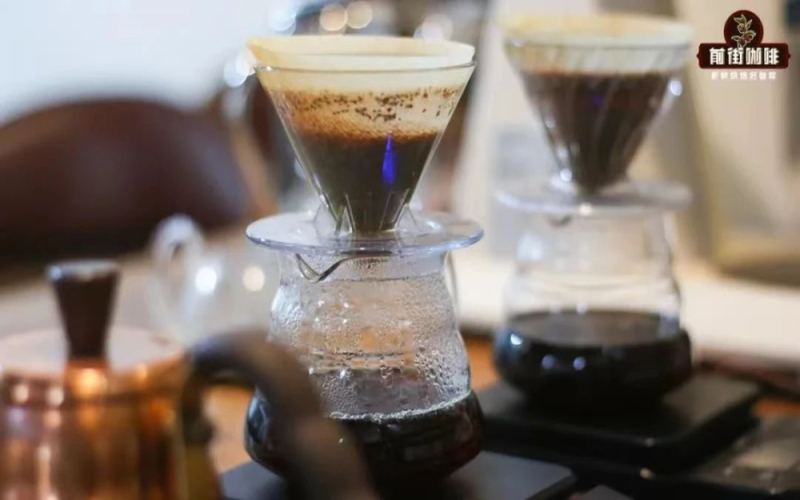
An In-Depth Analysis of the KONO Meimon Dripper: Structural Design, Suitable Bean Types, and Practical Brewing Parameters
Pour-over coffee enthusiasts often face the dilemma of choosing a dripper, as different shapes and structures directly affect extraction and flavor outcomes. As a classic representative of conical drippers, the KONO dripper stands out in brewing medium-to-dark roasted coffee beans thanks to its unique design philosophy. This article will provide a detailed explanation of the KONO dripper's origins, structural features, and extraction principles, and, drawing on Front Street Coffee's hands-on experience, share the specific parameters and techniques for brewing Front Street Indonesia Golden Mandheling with the KONO dripper. From grind size adjustment and water temperature control to the three-pour technique, we break down step by step how to bring out this dripper's strengths in body and sweetness. Whether you are a beginner just getting into pour-over or a coffee enthusiast hoping to refine your skills, you will find practical references and inspiration here. [more…]
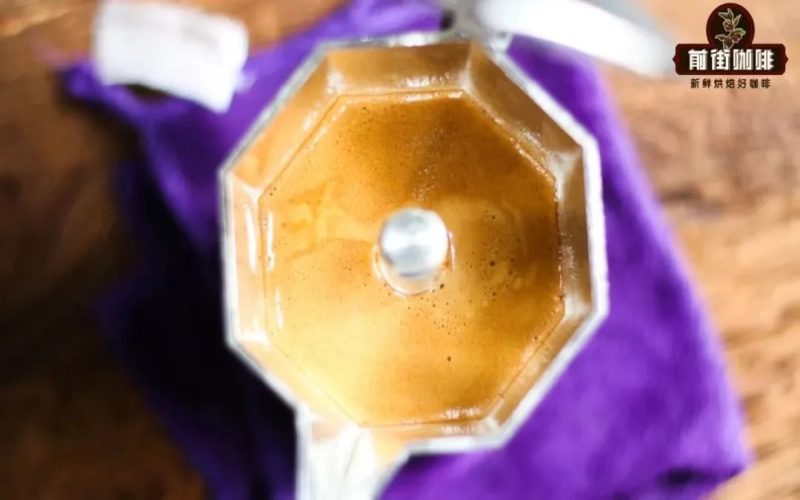
Moka Pot Beginner's Guide: From Structure and Principles to Step-by-Step Operation, Making Espresso at Home with Household Equipment
The moka pot is one of the most common espresso brewing tools in Italian households, using steam pressure to easily extract rich coffee at home. This article starts with the invention background, structural composition, and the difference between single-valve and double-valve moka pots, then provides a detailed analysis of its extraction principle, along with a blend bean recommendation from Front Street Coffee and complete brewing steps. Whether you are a beginner just getting into coffee or a seasoned enthusiast looking for a portable device, you can learn about the advantages and limitations of the moka pot, master the correct usage, avoid common mistakes, and make a cup of espresso with golden crema. [more…]

Analysis of Why Hand Coffee Grinders Produce Too Many Fines: A Comparison of Conical vs. Flat Burr Structures
In the coffee grinding process, the production of fines is almost an unavoidable phenomenon, regardless of whether one uses expensive professional-grade grinders or entry-level manual grinding equipment. However, the proportion of fines directly affects the stability of brewing and the final flavor presentation. Choosing a suitable grinder can, to a certain extent, help us reduce the troubles caused by fines. Front Street Coffee specifically conducted a comparative test on the differences in fines generation between manual coffee grinders and electric coffee grinders, analyzing the differences in grinding performance between the two from the perspective of burr structure, helping coffee enthusiasts more clearly understand the characteristics of different devices in grinding function, so as to make choices that better suit themselves. [more…]
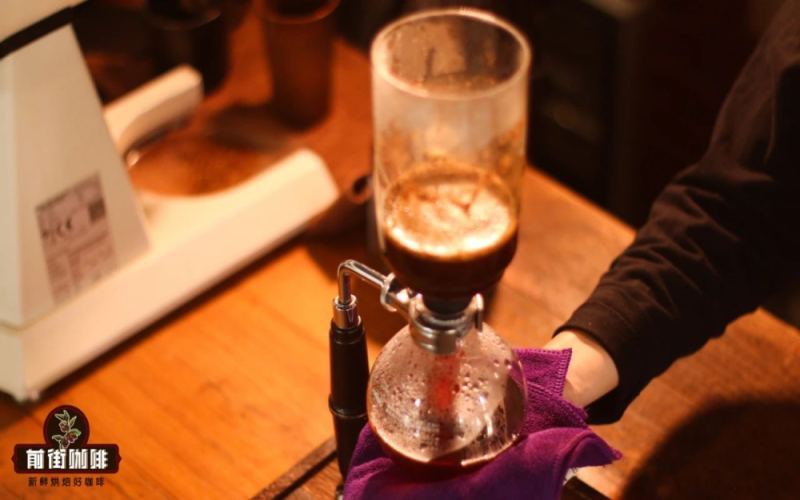
Siphon Coffee Brewing Guide: A Complete Analysis of Coffee Bean Dosage Standards and Equipment Structure
Siphon coffee has always held its own among coffee enthusiasts, thanks to its rich, robust body and intense, full aroma. Unlike the clean, layered profile pursued in pour-over coffee, the siphon delivers a weightier taste experience. But to brew an ideal cup of siphon coffee, how much coffee to use, how to operate the equipment, and how to maintain the filtration system are all key questions you can't avoid. Drawing on Front Street Coffee's practical experience, this article breaks down the structure and filtration system of the siphon in detail, helping you consistently reproduce a delicious cup of siphon coffee at home. [more…]
How to Extract Rich Crema with a Moka Pot? A Complete Analysis from Equipment Structure to Practical Steps
To make espresso with golden crema at home, a moka pot is an extremely cost-effective choice. This article will start with the invention background, structural principles, and the differences between single-valve and double-valve moka pots, explain in detail its coffee extraction mechanism along with its pros and cons, and list the required tools and the complete brewing process. It will also recommend Front Street specialty blend coffee beans as a pairing option, include key operating points and precautions for every step from adding water and loading grounds to heating and extraction, and finally share drinking methods such as Americano, latte, and Vietnamese coffee, helping coffee lovers easily recreate a rich and full-bodied Italian-style coffee at home. [more…]
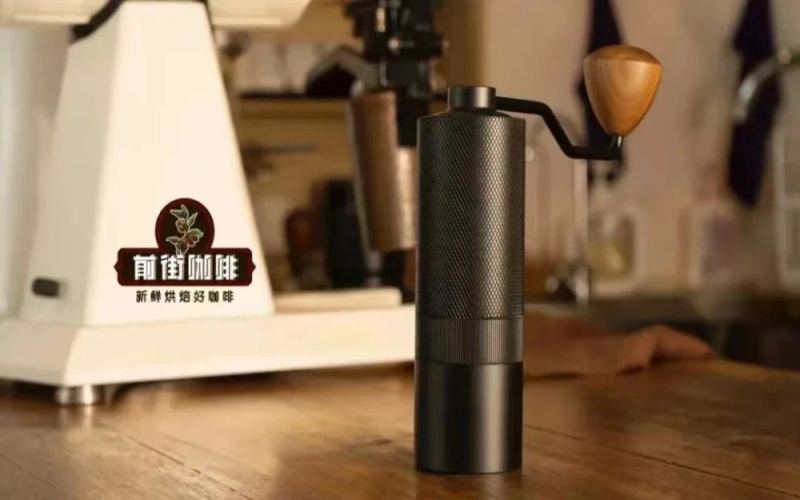
Hand Grinder User Guide: Burr Structure, Adjustment Settings, and Key Points for Controlling Grind Size
The manual coffee grinder is an essential tool for many pour-over enthusiasts. Beyond price differences, different brands and models directly influence the grinding quality of coffee grounds. It is suitable for home use and can also be combined with French presses, AeroPresses, moka pots, and other devices to create a portable coffee solution for outdoor or travel use. This article, from the perspective of Front Street, systematically explains the burr structure, dial adjustment, handle drive, bean hopper, and grounds container functions of manual coffee grinders, and shares proper grinding operations, grind size selection for different brewing methods, as well as daily cleaning and regular maintenance tips to help you improve grind uniformity and coffee flavor. [more…]
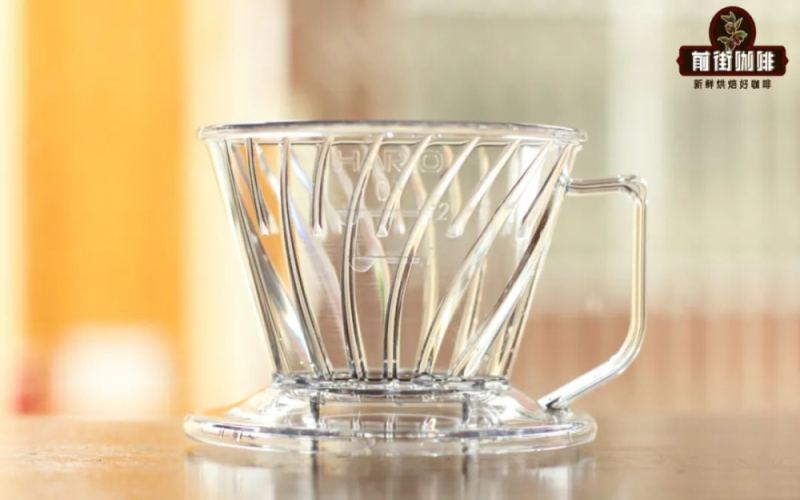
An In-Depth Analysis of the Hario Pegasus Dripper: Boat-Shaped Design, Trapezoidal Structural Differences, and Real-World Brewing Performance
In addition to the V60, Hario has also released a uniquely shaped Pegasus dripper. It resembles a trapezoidal dripper in appearance, yet has undergone significant improvements in its flow guides, base structure, and cup holder design. The spiral flow guides deliver a drainage speed close to that of the V60, while the flat-bottom dual-hole design makes extraction more even. Viewed from above, the oval base looks just like a little boat, which is how it came to be called the boat-shaped dripper. Front Street Coffee conducted a comparative brew using this dripper and the V60 with the same Finca El Diviso Sidra coffee beans; the flavor profiles were similar, but the Pegasus dripper produced a softer acidity. This article provides a complete breakdown of its structural features, filter paper compatibility, the purpose of the measurement lines, and the conveniences and drawbacks encountered in actual brewing. [more…]
How does anaerobic fermentation change the structure of coffee beans? Parameter adjustment ideas for the too-fast drainage when brewing Rose Valley
Many coffee enthusiasts encounter a puzzle when brewing anaerobically processed coffee beans: even when they follow the grind standard for a medium roast, the water flow is noticeably fast, and the resulting cup tastes thin and lacks complexity. Behind this phenomenon is actually a close relationship with the changes that anaerobic fermentation brings to the cellular structure of coffee beans. Starting from Front Street's actual brewing tests, this article combines grind particle-size distribution data from anaerobically processed beans such as Rose Valley and Mozart to analyze the causes of the faster flow rate, and offers adjustment suggestions on both grind setting and pouring technique, helping you reproduce at home an anaerobically processed coffee that is rich in aroma and smooth in mouthfeel. [more…]
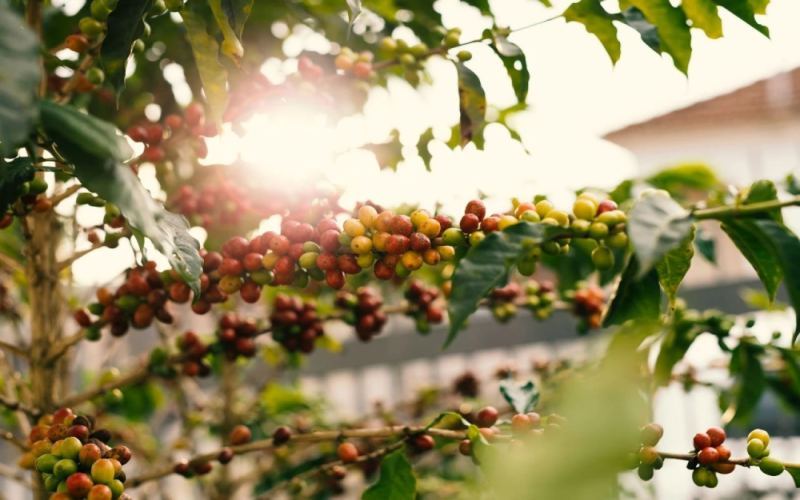
From Fruit to Cup: A Comprehensive Analysis of Coffee Cherry Structure and Processing
Have you ever wondered how the coffee you drink every day actually evolves from a tiny fruit? Although coffee is often likened to "juice," its production process is completely different from that of true fruit juice. This article will take you deep into the complete structure of the coffee fruit, analyzing the characteristics and roles of each part one by one, from the outer skin, pulp, and pectin layer to the parchment and silver skin. At the same time, we will also explore the geographical distribution of the Coffee Belt, the hardships of harvesting, and the processing and roasting process from green beans to roasted beans. Whether you are a coffee enthusiast just starting out or a seasoned taster, this article will unveil the mystery of the coffee fruit for you and give you a deeper understanding of the coffee in your cup. [more…]
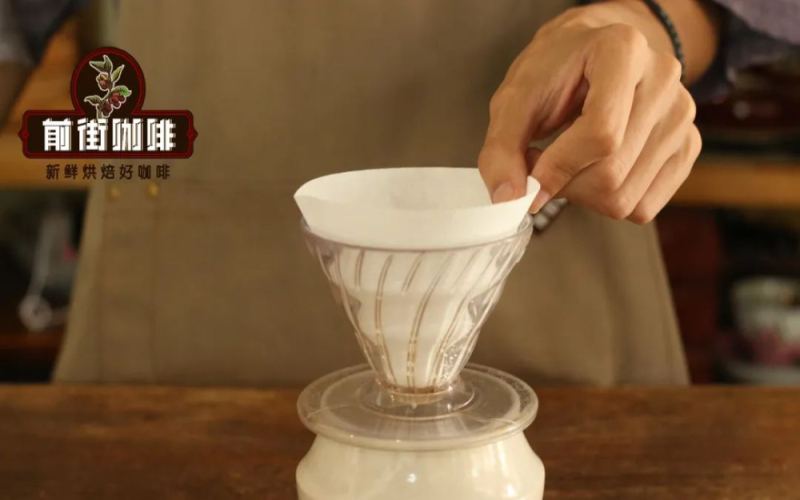
How to Choose and Use Pour-Over Coffee Filters? The Differences Between Bleached and Natural Filters and How Their Craft and Structure Affect Extraction
Before making pour-over coffee, many people first take a filter paper, fold it, and place it into the dripper, then add the coffee grounds. What role does the filter paper actually play? And how should you choose between white and natural-colored filter papers available on the market? This time, Front Street Coffee starts from the origin of filter paper, sorting out the pros and cons of bleached and unbleached filter papers, common size specifications, and further discusses how manufacturing processes and filter paper structure affect the flow rate, thereby influencing the final extraction. At the end of the article, combined with Front Street's experience, it offers purchasing ideas that are either more convenient or more environmentally friendly, helping you find a balance between flavor purity, operating habits, and environmental considerations. [more…]

Discussing Commercial Espresso from a Menu Structure Perspective: How a Shop Should Establish Its Base Bean
Looking at a coffee shop's bean list tells you a lot about how that shop thinks. Some shops have very long lists, packed with single origins, blends, and limited releases; others carry only one or two espresso beans year-round, yet make every cup solid. For most cafes, the core of a commercial espresso bean list isn't quantity—it's staying power—one [more…]
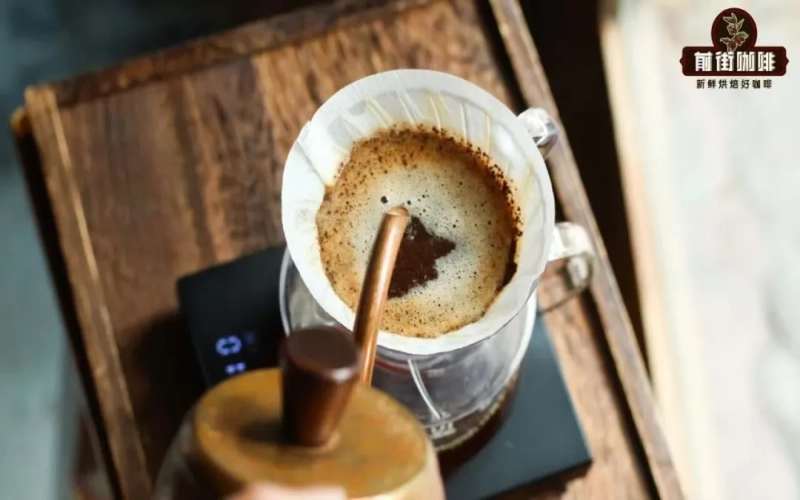
Pour-Over Coffee Dripper Buying Guide: A Full Breakdown of Bed Structure, Flow Rate, and Material, Plus Front Street Recommendations
Faced with a dazzling array of pour-over drippers, many coffee lovers often don't know where to start. In fact, the differences between drippers mainly come down to three aspects: the bed structure, the flow rate, and the material choice. The bed structure determines the evenness of extraction and the layering of flavors—cone-shaped, flat-bottomed, and wedge-shaped each have their own characteristics; the flow rate is affected by the rib design and the size of the outlet, with fast and slow rates leading to completely different flavor profiles; the material affects heat retention and price. Once you understand these differences, you can make a choice based on your personal taste preferences. Front Street Coffee will provide specific buying recommendations at the end of this article—just follow them and you can easily get started. [more…]
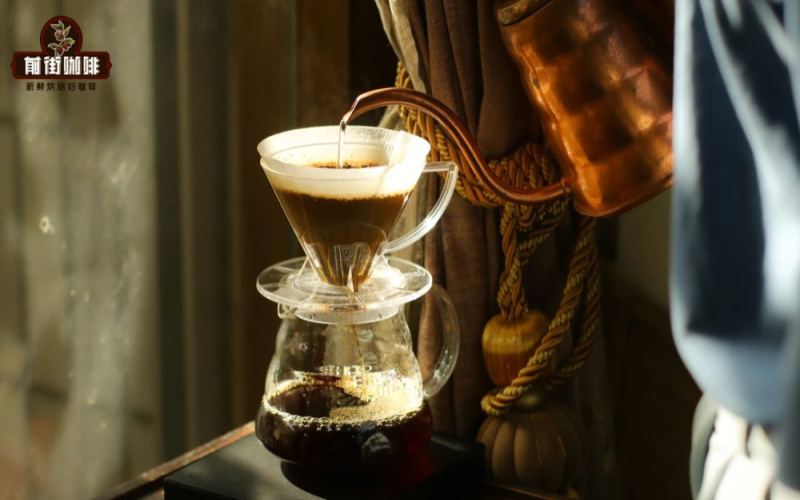
A Complete Analysis of the Flavor Differences and Structural Principles Between Brewing with the Kalita Trapezoid Dripper and the Hario V60 Cone Dripper
In the world of pour-over coffee, the shape of the dripper has a far more critical impact on flavor than one might imagine. The once-popular trapezoid dripper is now rarely seen in specialty coffee shops, having been replaced by cone-shaped drippers such as the Hario V60. This article starts from the actual brewing of two beans—Front Street washed Yirgacheffe and Jamaican Blue Mountain—to compare the flavor performance of the Kalita 101 trapezoid dripper and the V60 cone dripper, and takes a deep dive into how the structural differences between the two lead to different extraction methods. At the same time, the article also explores the reasons why the trapezoid dripper has gradually faded out, as well as its stability advantage that keeps it favored by chain brands, providing coffee enthusiasts with comprehensive reference for purchasing and brewing. [more…]

Siphon Coffee Brewing Practical Guide: Structure, Principles, Operating Steps, and Suitable Coffee Bean Selection
The siphon brewer carries a strong retro appeal, and today it is no longer a regular offering in many coffee shops, appearing more often as a specialty single-item brew. However, for siphon coffee enthusiasts, if you can't get it in a shop, you just do it yourself. This article covers the structure of the siphon brewer, cloth filters and paper filters, heat sources, timing of adding grounds, grind size, coffee-to-water ratio, stirring techniques, and how to determine when to end the brew, and uses an actual brewing process as an example to explain step by step how to make a cup of coffee with rich aroma and a full-bodied mouthfeel using a siphon brewer. It will also discuss the operational differences between siphon brewing and pour-over, as well as some of Front Street Coffee's insights on using this device. [more…]

A World Tour of the Milk Coffee Family: Bean Pairings for Seven Kinds of Milk Coffee
Latte is just one member of the milk coffee family—from Rome's cappuccino to Melbourne's flat white, from Spain's cortado to Vietnam's egg coffee, "coffee with milk" has evolved into a vast family across the globe. Each milk coffee is a unique local cultural solution to the ratio of milk fat, and behind each solution lies a different [more…]
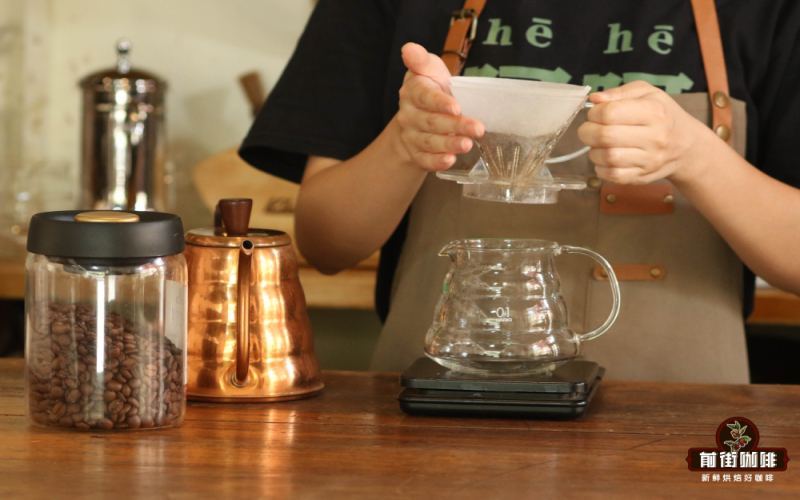
Analysis of the KONO dripper's design principles and brewing characteristics: How the short-rib structure affects extraction flavor and recommended coffee beans
As a well-known Japanese coffee equipment brand, KONO's cone-shaped dripper occupies an important position in the pour-over coffee world thanks to its unique short-rib design. Starting from the historical origins of the KONO dripper, this article takes a deep dive into how its rib structure slows the flow rate and extends the steeping time by limiting the space for air to escape, thereby improving extraction balance and body. At the same time, in response to the brewing needs of medium-to-dark roasted coffee beans, it shares the real-world parameters used at Front Street Coffee stores, including grind size, water temperature, coffee-to-water ratio, and a three-pour pouring scheme, and recommends a number of classic beans that pair well with this dripper, helping coffee enthusiasts fully master the logic of using the KONO dripper. [more…]
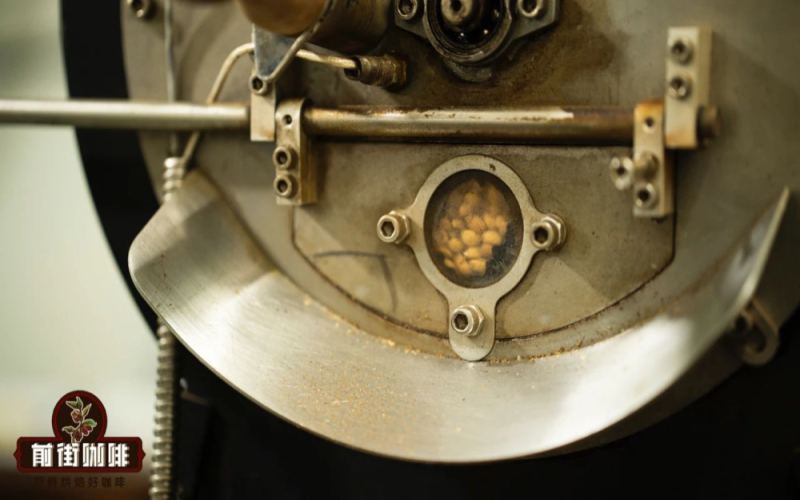
Physical evolution during coffee bean roasting: the entire process from color to porosity to oil migration
Coffee roasting is far more than just applying heat; it subjects green beans to a series of dramatic transformations on both the physical and chemical levels. As the first article in this series, this piece focuses on the physical changes during roasting: from the color shifting from blue-green to brown, to the moisture content plummeting from 10-12% to about 2.5%, to the cell walls going from rigid to rubbery, the beans expanding in volume, porosity increasing, and oils migrating to the surface. These structural changes do not occur in isolation; they provide the necessary preconditions for chemical processes such as the Maillard reaction and caramelization. Only by understanding the physical changes can one truly grasp the relationship between the roasting curve and the final flavor. [more…]
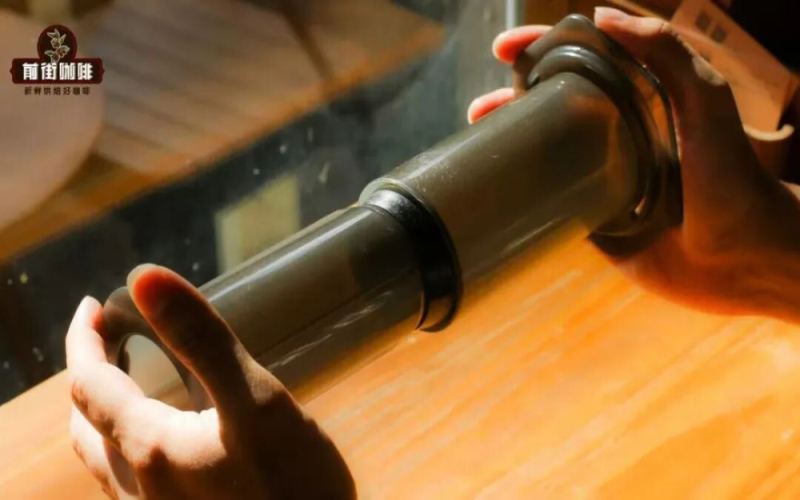
A Detailed Guide to the Standard AeroPress Brewing Method: A Full Analysis from Equipment Structure to Espresso Making Parameters
The AeroPress looks surprisingly like a syringe, yet it is a unique coffee device that combines immersion and pressure extraction, and it enjoys huge popularity in the coffee world. This article will start with the AeroPress's structure and principles, as well as its historical origins, and then use Front Street Coffee's Finca La Divisoria · Sidra coffee beans as an example to break down in detail the standard extraction process and key parameters. Whether you are a beginner just getting to know the AeroPress or an enthusiast looking to refine your technique, you can gain from it a clear, repeatable operating guide and easily make a cup of AeroPress coffee with balanced acidity and sweetness and a full, juicy feel. [more…]
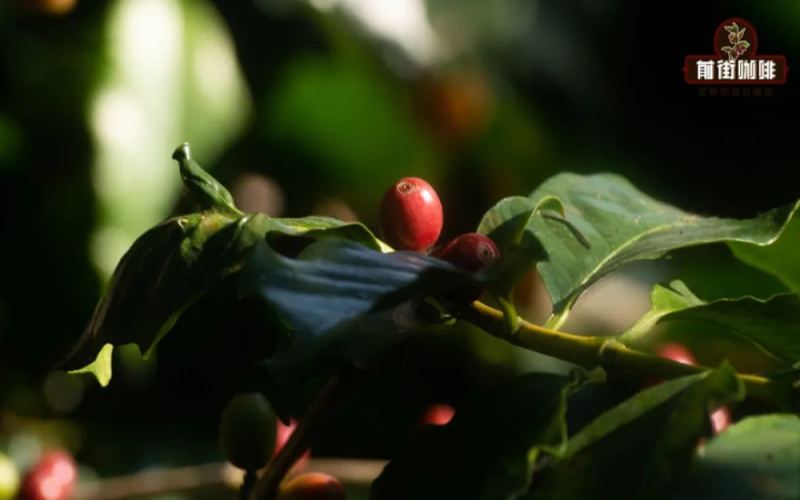
What Is the Relationship Between Coffee Cherries and Coffee Beans? A Detailed Explanation of Coffee Structure and Composition, and the Caffeine Content in a Single Bean
What exactly is the relationship between the coffee fruit and the coffee bean? A coffee cherry, from the outside in, consists of multiple parts including the exocarp, pulp, pectin layer, parchment, silver skin, bean core, and center line, with each layer playing a different role in coffee processing and flavor formation. The green coffee bean itself is composed of substances such as water, polysaccharides, lipids, proteins, sucrose, chlorogenic acid, other organic acids, amino acids, and caffeine, all of which directly affect coffee's mouthfeel, aroma, and the balance between bitterness and acidity. This article will dissect the structure of the coffee fruit layer by layer and systematically sort out the compositional substances of coffee beans, while also explaining the difference in caffeine content between Arabica and Robusta, helping coffee enthusiasts gain a more comprehensive understanding of the science behind the flavors in their cup. [more…]
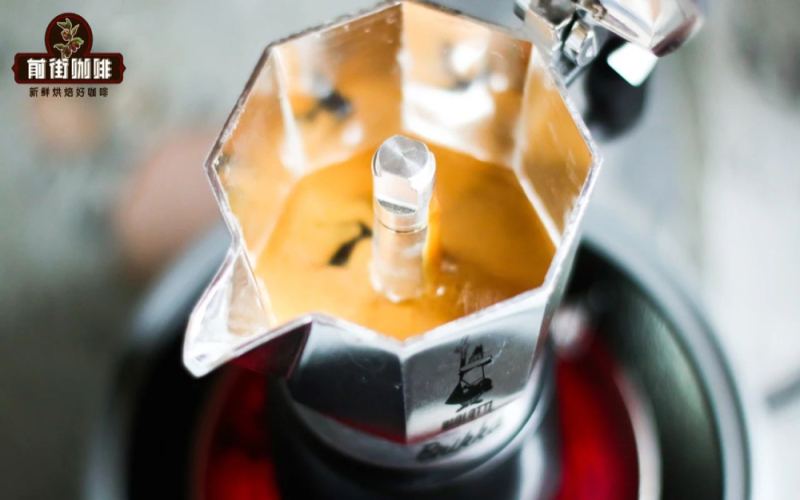
The Complete Moka Pot Brewing Guide: Structure, Principles, Single vs. Double Valve Differences, and Coffee Bean Selection Tips
The moka pot is the most commonly used espresso brewing device in Italian households, and with its refined design and excellent extraction capability, it is deeply favored by coffee enthusiasts. This article will systematically explain the moka pot's three-part structure and its steam-pressure extraction principle, compare the differences between single-valve and double-valve models in terms of crema and strength, and sort out the considerations for choosing capacity specifications. It also recommends medium-dark roasted coffee beans suitable for the moka pot, and, together with Front Street Coffee's detailed breakdown of six brewing steps—from adding water and filling coffee grounds to controlling heat and turning off the stove—explains each one, helping you consistently brew a fragrant, rich, and full-bodied cup of Italian-style coffee with abundant crema at home. [more…]